Business Properties Restored Without Extended Shutdowns
Commercial water mitigation and restoration in Peachtree City for office buildings, warehouses, retail spaces, and multi-family properties facing flooding, mold contamination, and fire damage
A burst pipe in a commercial building can flood multiple floors overnight, and every day operations remain halted translates to revenue loss, employee displacement, and customer disruption. Commercial water mitigation starts with rapid water extraction, structural drying using industrial dehumidifiers and air movers, and continuous moisture monitoring until affected materials stabilize. Delaton Service Corporation handles large-loss restoration projects for office buildings, retail spaces, warehouses, manufacturing facilities, government properties, and multi-family complexes throughout Peachtree City and LaGrange, coordinating insurance claims and minimizing downtime through phased restoration that allows partial occupancy when possible.
Commercial restoration prioritizes business continuity, so work schedules adapt to operational needs—overnight shifts for retail spaces that can't close during business hours, segmented containment barriers that isolate affected zones while other areas remain functional, and expedited drying protocols that compress timelines without sacrificing thoroughness. Fire restoration involves soot removal, smoke odor elimination, content cleaning, and debris coordination alongside structural repairs.
Request a detailed estimate based on your facility's current damage and operational constraints.
Why Proper Commercial Drying Requires Monitoring
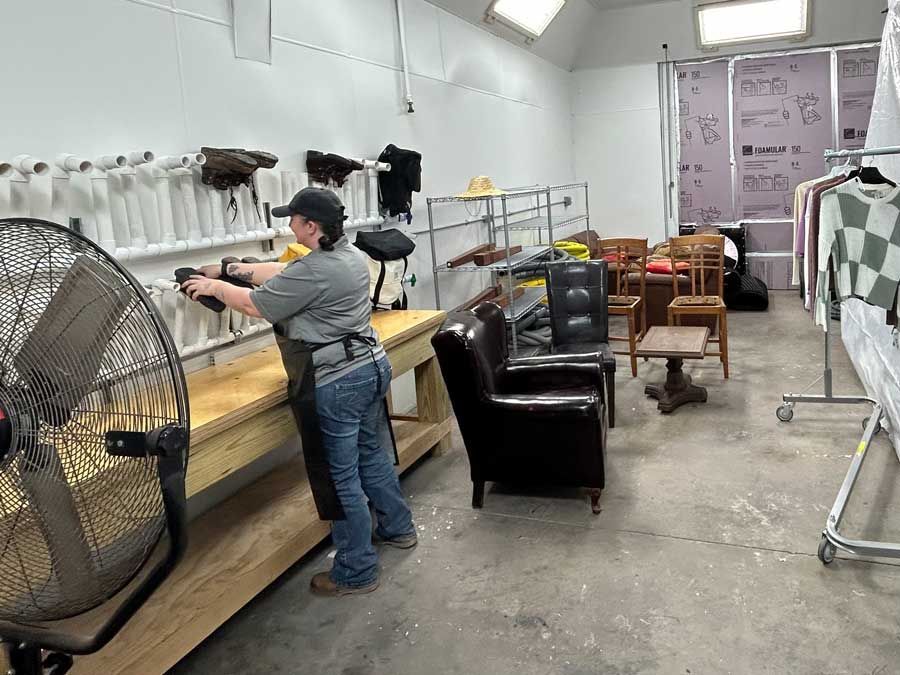
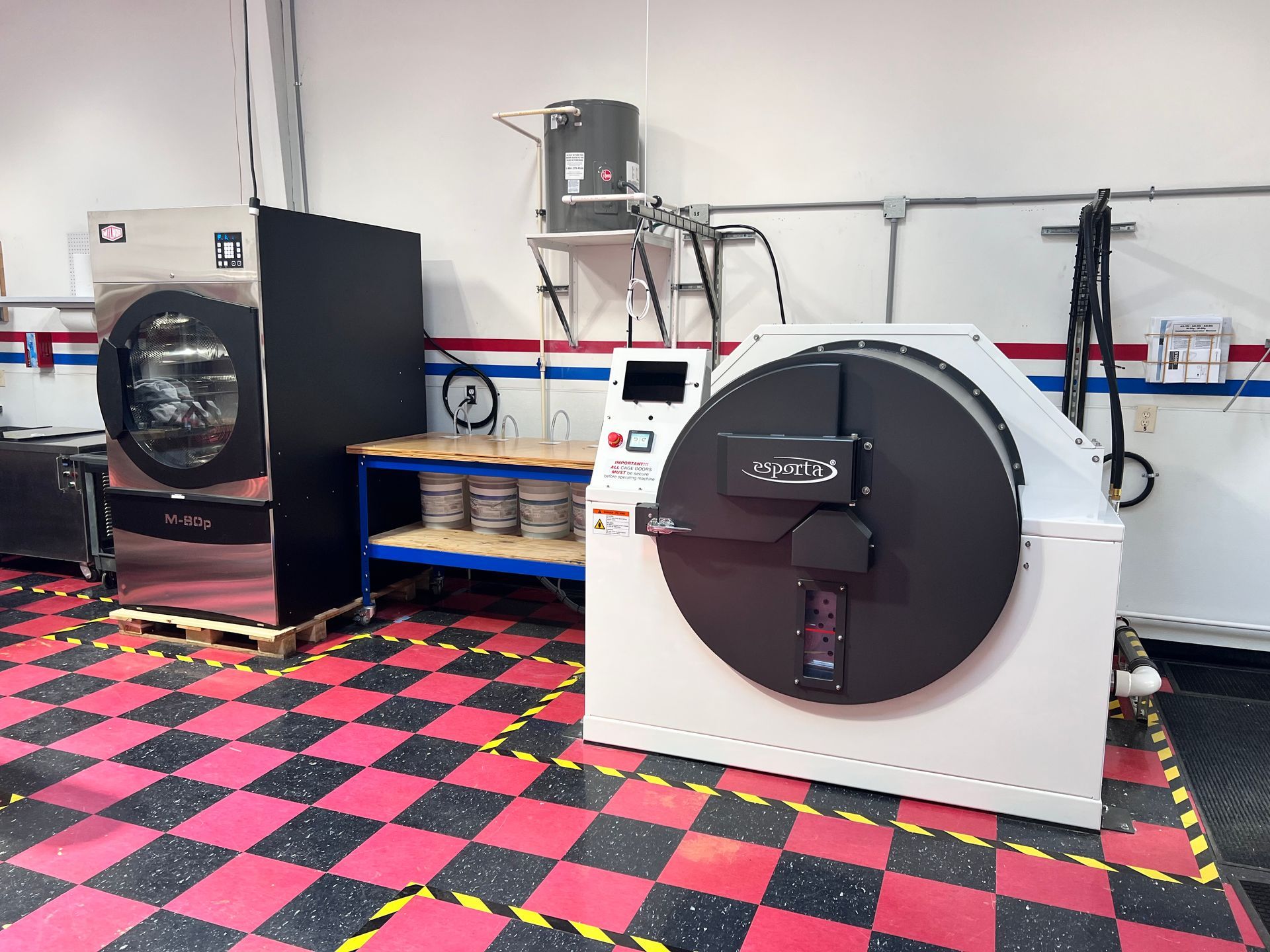
Commercial water damage affects larger surface areas and more complex building systems than residential properties, so drying protocols involve daily moisture readings across multiple zones, infrared thermal imaging to track hidden moisture migration through concrete slabs and wall assemblies, and humidity control that adjusts as conditions change. IICRC standards require documentation at each stage to verify materials have returned to acceptable moisture content before reconstruction begins, preventing trapped moisture that would cause mold growth or material failure after walls are closed.
Businesses notice operations resuming in unaffected areas while restoration continues in isolated zones, air quality improving as dehumidifiers remove moisture that contributes to musty odors and respiratory irritants, and flooring returning to stable conditions without warping or delamination. Insurance adjusters receive organized documentation that includes moisture logs, photographic evidence, and equipment placement records that streamline claim reviews and reduce approval delays.
Asbestos abatement becomes necessary in older commercial buildings when floor tiles, ceiling panels, or insulation materials require removal during water or fire restoration work. Licensed abatement includes air monitoring, containment setup with negative air pressure, controlled material removal, and certified disposal that meets EPA and Georgia environmental regulations. Mold remediation in commercial settings involves containment barriers that prevent cross-contamination into occupied areas, HEPA filtration during removal, antimicrobial treatment, and post-remediation clearance testing before spaces reopen to employees or customers.
Answers to Frequent Service Questions
Property managers and business owners in Peachtree City typically ask about timelines, operational impact, insurance coordination, and what services are handled in-house versus subcontracted during large-loss restoration projects.
- What does commercial water mitigation include? Commercial mitigation includes emergency water extraction, structural drying with monitored dehumidification, moisture mapping using thermal imaging, daily progress documentation, and coordinated insurance communication throughout the drying process.
- Can businesses stay open during restoration? Partial occupancy is possible when containment barriers isolate affected zones, air scrubbers prevent cross-contamination, and work schedules align with business hours to minimize disruption in unaffected areas.
- When is asbestos abatement required? Georgia regulations require asbestos testing before demolition or renovation in buildings constructed before 1980, as floor tiles, ceiling materials, and pipe insulation in commercial properties often contain asbestos fibers.
- How long does commercial drying take? Drying timelines range from three to ten days depending on the extent of water intrusion, affected materials, humidity levels, and airflow access, with moisture readings taken daily until materials reach stable levels.
- Who coordinates with insurance? Delaton communicates directly with adjusters, provides documented moisture logs and photographic evidence, and supplies detailed project timelines that help expedite claim reviews and approval processes for commercial losses.
Delaton Service Corporation has served Georgia and Alabama businesses since 1986, with IICRC-certified technicians, large-loss project experience, and in-house restoration capabilities that eliminate subcontractor delays.
Schedule an emergency assessment by calling (706) 883-7900 to receive same-day response, damage documentation, and a phased restoration plan designed around your operational priorities.