Homes Protected When Damage Strikes Suddenly
Residential water mitigation and restoration in LaGrange for homes facing flooding, mold growth, fire damage, and emergency water intrusion
Water spreads through subflooring and wall cavities faster than most homeowners expect, and mold can begin developing within 24 to 48 hours once moisture settles into porous materials. Delaton Service Corporation provides residential water mitigation, mold remediation, fire damage restoration, and asbestos abatement for homeowners throughout LaGrange and Peachtree City who need documented, insurance-ready responses to sudden property damage. Moisture readings and thermal imaging identify hidden water pockets that visual inspection alone would miss.
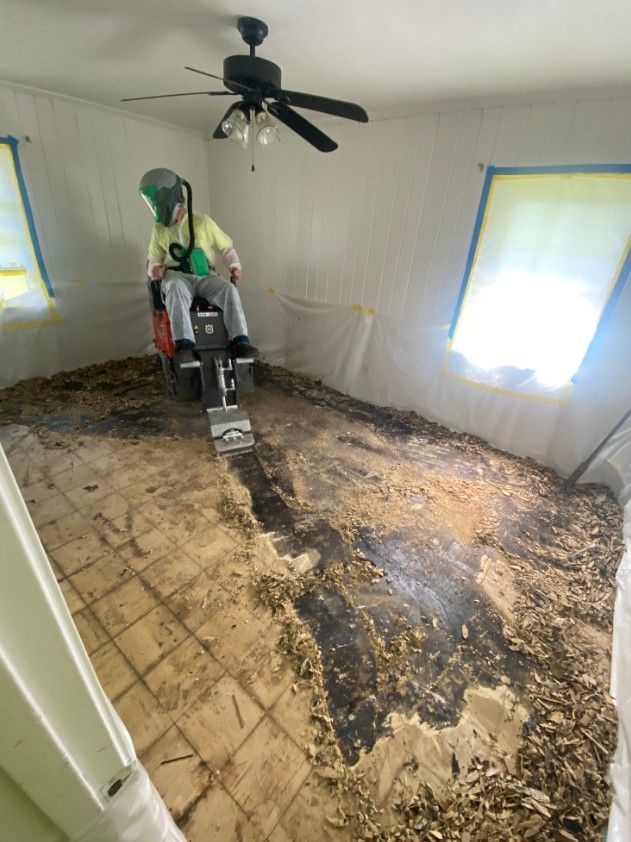
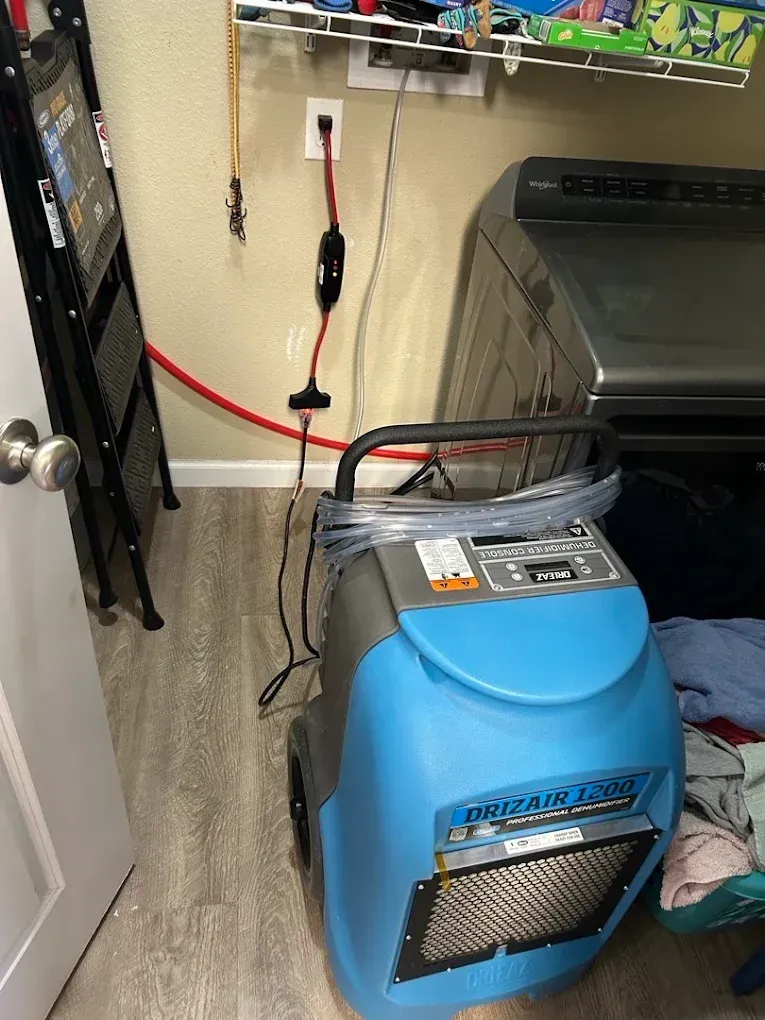
Residential water mitigation involves removing standing water, extracting moisture from structural materials, and setting up commercial-grade air movers and dehumidifiers to dry affected areas before secondary damage develops. Fire mitigation addresses smoke residue, soot penetration, and odor removal while coordinating debris cleanup and structural stabilization. Mold remediation isolates contaminated areas with containment barriers, removes affected materials, treats surfaces with antimicrobial agents, and verifies clearance through post-remediation testing.
Schedule a property evaluation to document damage conditions and receive moisture readings for insurance coordination.
What Changes After Mitigation Work Completes
Delaton uses IICRC-certified processes that include documenting every stage of damage, taking baseline and progress moisture readings with calibrated meters, and photographing affected areas before extraction begins. Thermal imaging cameras detect moisture behind walls and under flooring where surface-level inspection would miss ongoing saturation. Advanced drying equipment runs continuously with daily monitoring until materials reach acceptable moisture levels, typically within three to five days depending on the extent of intrusion and the materials affected.
Once mitigation finishes, you'll notice floors and walls return to stable moisture levels, musty odors disappear as humidity drops, and visible water stains stop expanding across ceilings and baseboards. Air quality improves as dehumidifiers remove airborne moisture that contributes to mold spore development. Restoration work can proceed without the risk of installing new materials over compromised subflooring or drywall that hasn't fully dried.
Insurance claims assistance includes direct communication with adjusters, coordinated documentation that matches carrier requirements, and detailed project timelines that help simplify approval processes. Asbestos abatement becomes necessary in homes built before 1980 when flooring, insulation, or drywall materials need removal during water or fire restoration work. Testing identifies asbestos-containing materials before disturbance, and licensed abatement follows containment and disposal regulations to prevent fiber release.
Questions Before Starting Your Project
Homeowners in LaGrange and Peachtree City often ask similar questions when facing sudden damage, particularly around timing, insurance coordination, and what the restoration process involves from start to clearance.
- How fast should water damage be treated? Water mitigation should begin within 24 hours to prevent mold growth and secondary structural damage, as porous materials absorb moisture rapidly and drywall begins deteriorating once saturation reaches certain thresholds.
- Does water damage always cause mold? Mold develops when moisture remains in materials for 24 to 48 hours, so prompt drying and dehumidification prevent spore colonization if mitigation starts quickly enough to interrupt the growth cycle.
- When is asbestos testing required? Homes built before 1980 in Georgia often contain asbestos in flooring, popcorn ceilings, and pipe insulation, so testing is required before removal work begins during water or fire restoration projects.
- Will insurance cover water damage restoration? Coverage depends on the cause of damage—sudden pipe bursts and appliance failures are typically covered, while gradual leaks and flooding from external sources may require separate flood insurance or fall under maintenance exclusions.
- How long does fire damage cleanup take? Smoke damage cleanup and soot removal typically take three to seven days depending on the severity of fire exposure, the extent of odor penetration into fabrics and wall cavities, and whether structural repairs are needed alongside cleaning.
Delaton Service Corporation has provided emergency restoration services since 1986, with IICRC certification, licensed technicians, and in-house expertise that eliminates coordination delays between water extraction, mold remediation, and reconstruction phases. Call (706) 883-7900 to arrange an on-site consultation and receive moisture readings, damage documentation, and a detailed restoration plan tailored to your property's specific conditions.